
Biomass Energy – Wood Pellet Indonesia
In today’s rapidly evolving energy landscape, the demand for sustainable and renewable energy sources has become increasingly urgent. As global awareness about climate change grows, industries and governments around the world are shifting from fossil fuels to greener alternatives. One of the most promising solutions emerging from Indonesia is biomass energy, specifically wood pellets. These small but powerful energy sources are helping to transform the way the world thinks about clean, efficient, and renewable energy.
What is Biomass Energy?
Biomass energy is energy derived from organic materials—such as wood, agricultural waste, or other biological matter—that can be used as fuel. Unlike fossil fuels, which take millions of years to form, biomass comes from materials that are renewable and replenished through natural processes.
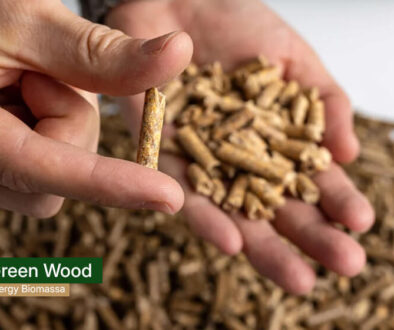
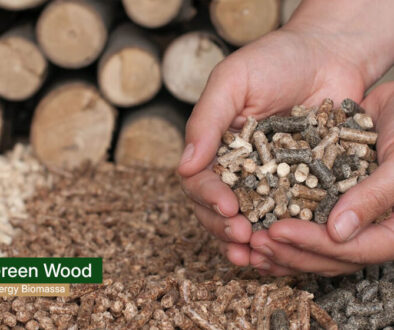
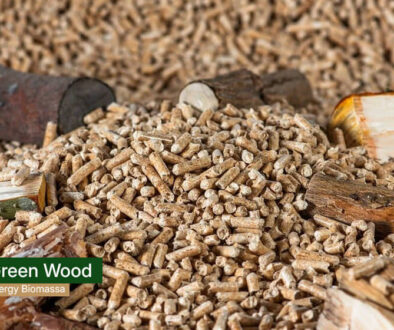
When biomass materials like wood, sawdust, or agricultural residues are processed and compacted into pellets, they become a highly efficient form of fuel known as wood pellets. These pellets can be used for heating, cooking, or generating electricity, providing a cleaner alternative to coal or diesel.
Indonesia’s Potential in Biomass Energy
Indonesia is rich in natural resources and has vast forests and agricultural land that produce large amounts of biomass materials. Every year, the forestry and agricultural sectors generate tons of wood waste, sawdust, and crop residues. Instead of allowing these materials to decay or be burned openly—which contributes to pollution—they can be processed into biomass fuel, particularly wood pellets.
This makes Indonesia one of the countries with the highest potential for biomass energy production in Asia. The government’s focus on renewable energy development also aligns perfectly with the growth of the wood pellet industry. By turning waste into energy, Indonesia can reduce its dependence on fossil fuels, cut carbon emissions, and support global sustainability goals.
Wood Pellets: The Future of Green Energy
Wood pellets are cylindrical, compact, and uniform in size, usually around 6–8 millimeters in diameter. Despite their small size, they hold a significant amount of energy. Wood pellets have become one of the most popular biomass products because they are efficient, easy to handle, and environmentally friendly.
Some of the major benefits of wood pellets include:
-
Renewable and Sustainable:
Made from waste wood or sawdust, wood pellets utilize materials that would otherwise be discarded. This makes them a sustainable energy solution. -
High Energy Efficiency:
Wood pellets have a calorific value of around 4,600–5,000 kcal/kg, which means they produce high heat output with low moisture content. -
Low Emissions:
When burned, wood pellets release very little sulfur and carbon dioxide compared to coal, making them an environmentally responsible choice. -
Easy to Transport and Store:
Their uniform shape and small size make them easy to pack, store, and transport in bulk. -
Cost-Effective:
Compared to fossil fuels, biomass fuel is often more affordable and offers stable prices not influenced by global oil markets.
Production Process of Wood Pellets
At PT. Green Wood Perkasa Energy, the production of wood pellets follows a modern, environmentally conscious process. The raw materials—such as sawdust, wood chips, and forestry residues—are collected, dried, and ground into fine powder. This powder is then compressed under high pressure using specialized machines to form dense pellets without the need for any chemical additives.
The entire process emphasizes efficiency and sustainability. The result is a clean, durable, and high-energy wood pellet that meets both domestic and international standards. Every batch undergoes strict quality control to ensure low moisture, low ash, and high calorific value.
Applications of Wood Pellets
Wood pellets are extremely versatile and can be used across various sectors:
-
Industrial Use:
Many factories and power plants use wood pellets as a replacement for coal. They are ideal for boilers and furnaces that require consistent heat output. -
Residential Heating:
In many countries, households use wood pellet stoves and heaters for clean, cost-effective heating solutions. -
Electricity Generation:
Wood pellets can also be used in biomass power plants to generate electricity, supporting the transition toward renewable energy systems. -
Cooking and Small-Scale Heating:
In rural and remote areas, wood pellets serve as an efficient cooking fuel, reducing dependency on firewood and charcoal.
Environmental Benefits of Biomass Energy
Biomass energy offers a sustainable way to address the world’s energy needs while reducing environmental harm. Unlike fossil fuels, which release carbon that has been stored for millions of years, biomass energy operates within the carbon cycle. The carbon dioxide released during combustion is roughly equal to the amount absorbed by plants during their growth, resulting in carbon-neutral energy.
In addition, using wood pellets helps reduce deforestation and open burning practices that contribute to air pollution. By utilizing waste wood and residues, industries can reduce landfill waste and promote circular economy practices.
Indonesia’s Role in Global Biomass Exports
Indonesia is steadily becoming a major exporter of wood pellets, particularly to countries in Asia, such as Japan and South Korea. These nations have strong renewable energy policies and are shifting toward biomass fuel to power their industries.
With its abundance of raw materials, strategic location, and growing industrial capacity, Indonesia has a competitive advantage in supplying high-quality wood pellets to international markets. Companies like PT. Green Wood Perkasa Energy are leading the way by implementing strict quality standards, sustainable sourcing, and eco-friendly production methods
PT. Green Wood Perkasa Energy
Located in Batang, Central Java, PT. Green Wood Perkasa Energy is dedicated to producing high-quality biomass wood pellets for both domestic and international markets. Our operations are based on three core principles: sustainability, efficiency, and innovation.
By utilizing waste wood from sustainable sources, we help reduce environmental impact while providing clean, renewable fuel. Our wood pellets deliver high energy performance, minimal ash residue, and reliable combustion—ideal for industrial boilers, power generation, and household use.
We believe that green energy is not just the future—it is the present. Through continued investment in technology and environmental responsibility, PT. Green Wood Perkasa Energy aims to contribute to Indonesia’s renewable energy transformation and global sustainability movement.
Conclusion
Biomass energy, particularly in the form of wood pellets, represents one of the most practical and powerful solutions to today’s energy and environmental challenges. As the world moves toward cleaner and renewable energy sources, Indonesia’s potential in the biomass sector continues to shine.
With companies like PT. Green Wood Perkasa Energy leading the way, wood pellets are set to become a cornerstone of green energy innovation—offering a sustainable, efficient, and eco-friendly alternative to fossil fuels.
Biomass energy is not just about power—it’s about responsibility, sustainability, and building a better future for generations to come.