Indonesia Wood Pellet Export – Biomass Energy
Indonesia, a country rich in natural resources and biodiversity, is rapidly emerging as one of the leading exporters of wood pellets — a renewable biomass fuel that plays a key role in global energy transition. With increasing demand for sustainable energy sources, Indonesian wood pellets have gained international recognition for their quality, reliability, and eco-friendly production.
What Are Wood Pellets?
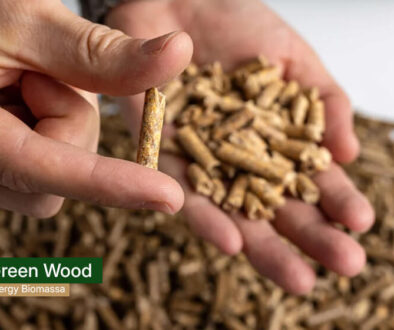
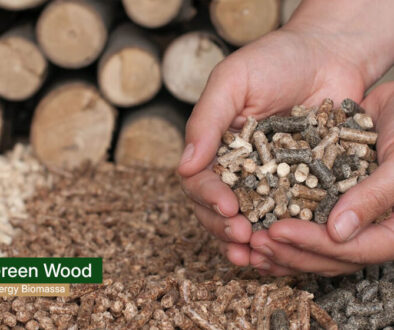
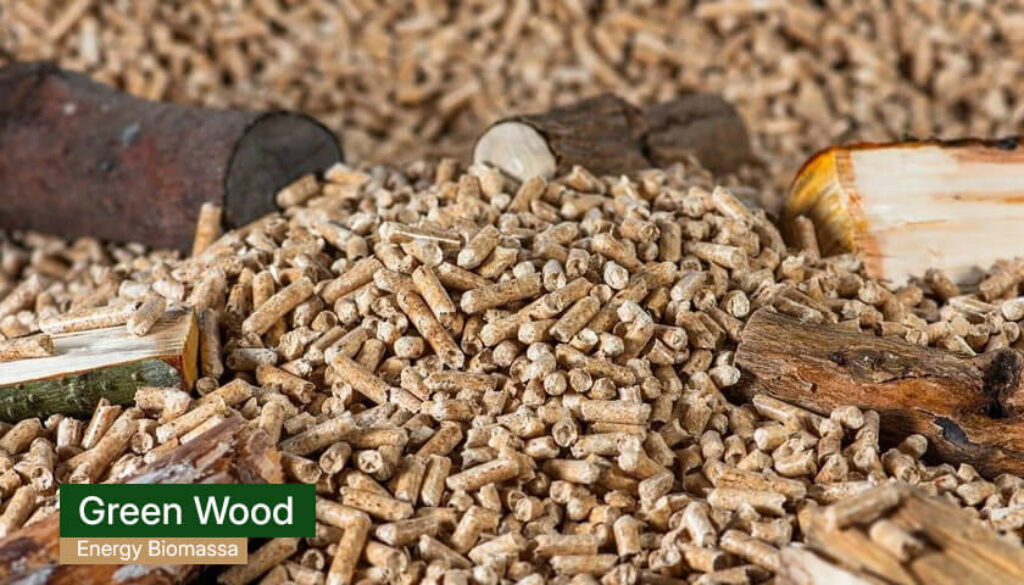
Wood pellets are small cylindrical pieces made from compressed sawdust, wood shavings, and other agricultural residues. These pellets serve as an efficient and sustainable alternative to fossil fuels such as coal and oil. They are widely used for industrial heating, electricity generation, and residential heating systems.
Because of their high energy density, uniform size, and low moisture content, wood pellets are easier to transport, store, and use — making them a preferred choice for countries seeking cleaner and more sustainable energy options.
Indonesia’s Strength in Biomass Resources
Indonesia’s vast forestry and agricultural sectors produce millions of tons of by-products every year. Instead of being wasted or burned openly, these materials can be processed into valuable biomass energy, particularly wood pellets.
Regions like Sumatra, Kalimantan, and Sulawesi have abundant wood resources suitable for sustainable pellet production. The Indonesian government’s commitment to renewable energy through the National Energy Policy (KEN) has further encouraged investments in biomass industries, including wood pellet manufacturing for export.
Production Process and Quality Standards
The production of wood pellets in Indonesia follows several crucial steps:
-
Raw Material Preparation – Sawdust and wood residues are collected and screened to ensure consistency.
-
Drying – Moisture is reduced to below 10%, improving combustion efficiency.
-
Grinding – Materials are milled into fine particles for better compaction.
-
Pelletizing – The material is compressed into small, uniform pellets using specialized machines.
-
Cooling and Packaging – Pellets are cooled to prevent breakage and packed for shipment.
Leading producers like PT. Green Wood Perkasa Energy adhere to international quality standards, ensuring their pellets meet requirements for high calorific value, low ash content, and optimal moisture levels.
Global Market Demand
The demand for biomass energy, particularly wood pellets, has surged in regions like Europe, Japan, and South Korea. These countries are actively reducing their reliance on coal and adopting renewable alternatives to achieve net-zero emission goals.
-
Europe remains the largest market, with countries such as the UK, Denmark, and the Netherlands importing large quantities for power generation.
-
Japan and South Korea are also rapidly expanding their use of wood pellets for co-firing in power plants, driven by government incentives and environmental policies.
Indonesia’s strategic geographic location gives it a competitive advantage in supplying these Asian markets efficiently.
Advantages of Indonesian Wood Pellets
Indonesian wood pellets offer multiple advantages that make them attractive to global buyers:
-
High Energy Efficiency – With calorific values between 4,200–4,800 kcal/kg.
-
Eco-Friendly – Made from renewable waste materials, reducing carbon footprints.
-
Cost-Effective – Competitive production costs due to local resource availability.
-
Stable Supply Chain – Supported by strong forestry and industrial sectors.
-
Export Quality Assurance – Certified to meet international biomass fuel standards.
Contribution to a Sustainable Future
By exporting wood pellets, Indonesia is not only contributing to global energy security but also supporting climate change mitigation efforts. The industry helps reduce greenhouse gas emissions and provides economic opportunities for local communities, especially in rural areas where biomass materials are abundant.
Moreover, companies like PT. Green Wood Perkasa Energy prioritize sustainable forestry management to ensure the long-term availability of raw materials without harming the environment.
Challenges and Opportunities
Despite its potential, Indonesia’s wood pellet export industry faces several challenges, such as:
-
Limited domestic demand compared to export markets.
-
Need for continuous quality improvement and certification.
-
Logistics and infrastructure constraints in remote areas.
However, with growing global demand and government support for renewable energy, the future outlook for Indonesia’s wood pellet export industry is highly promising. Investments in technology, logistics, and sustainability practices will further strengthen Indonesia’s position as a key biomass energy exporter.
Conclusion
The export of wood pellets from Indonesia represents a crucial step toward a greener and more sustainable future. Combining abundant natural resources, strategic location, and commitment to renewable energy, Indonesia is well-positioned to become a global leader in biomass fuel production.
Through innovation and responsible environmental management, companies like PT. Green Wood Perkasa Energy continue to play a vital role in transforming waste into clean energy — powering homes, industries, and nations while preserving the planet for future generations.